
Make the built world run better.
Capston helps asset owners and operators improve high-friction workflows* using technology where it helps and human judgment where it matters.
* For example: work that moves through field notes, spreadsheets, review, approval, and sign-off.
Built for teams across critical infrastructure


Organizations


Operators

Asset Owners







Built for teams under real pressure.
Real assets.
Real approvals.
Real operating constraints.

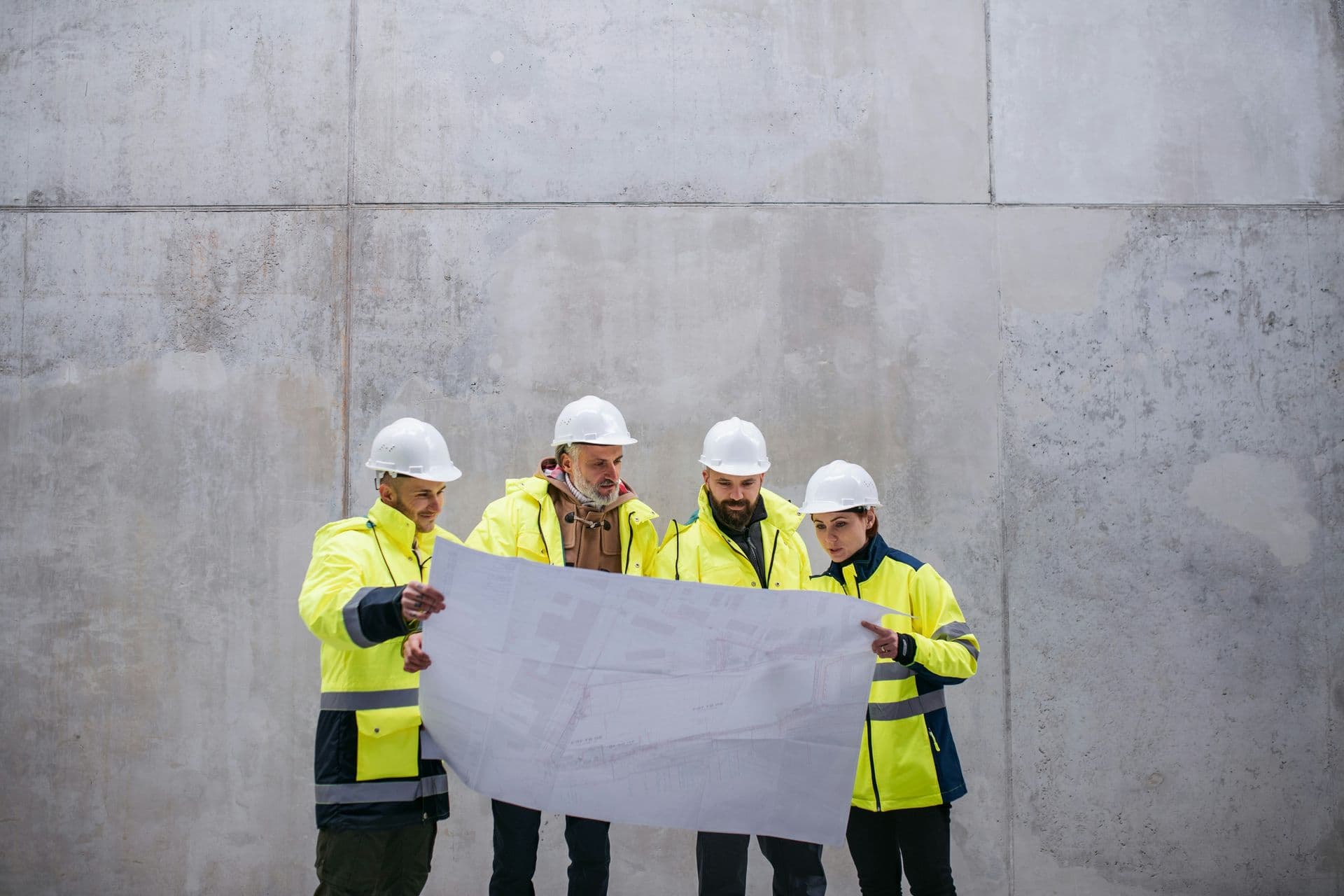
Where operations start to break down.
The issue is how work breaks across people, systems, and physical assets.
The challenge is making
technology fit the work.
- ■Knowledge is leaving the workforce
- ■Critical data lives across disconnected systems
- ■Important work still runs through spreadsheets and field notes
- ■Processes do not match how teams actually work
- ■Coordination gaps create risk, delay, and rework
Start where the work is stuck
We focus on one workflow, find where it is slowing down, and improve it in a way that fits the people, systems, and constraints already in place.
Capston helps asset owners and operators find leverage inside operations.

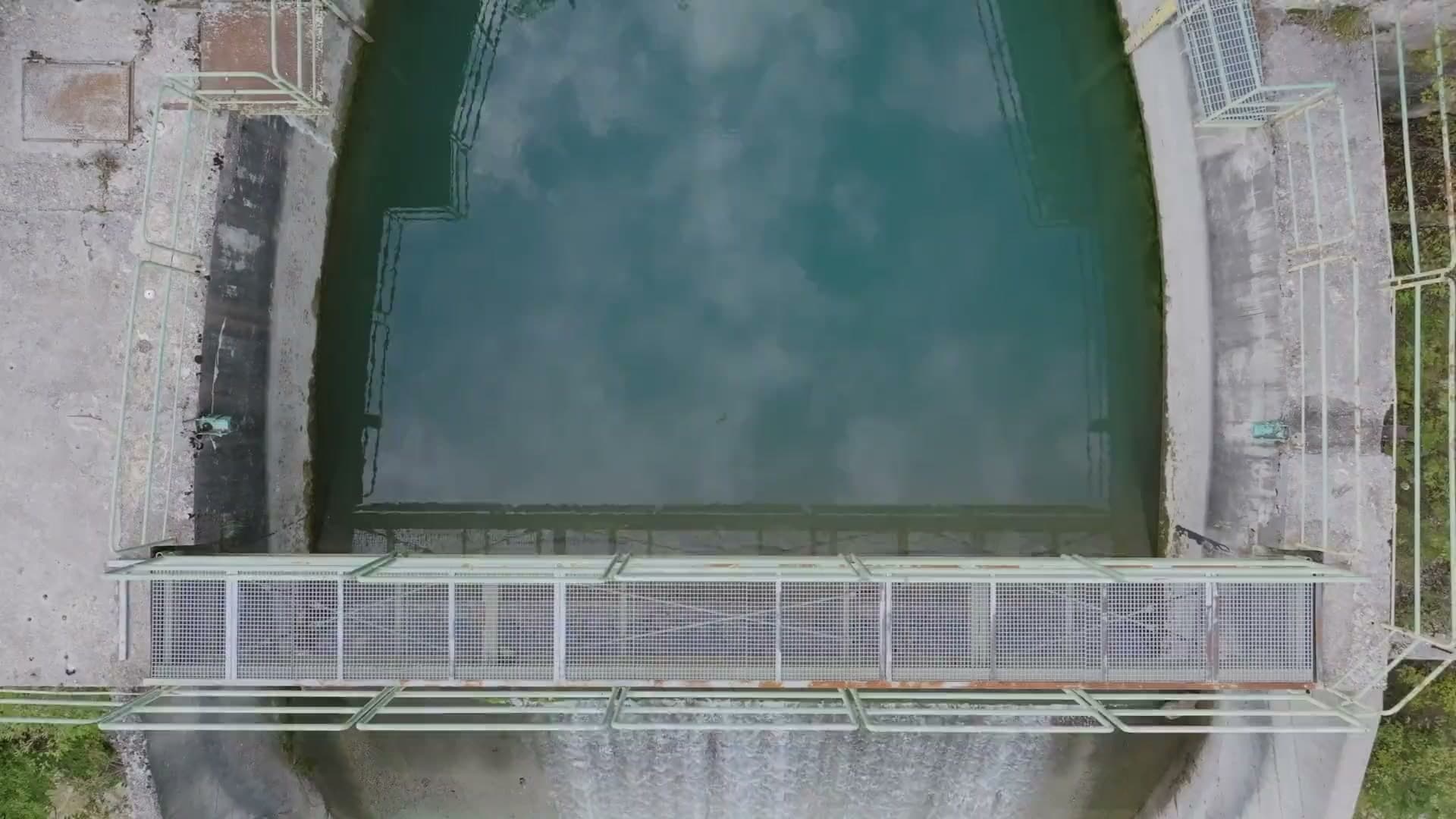
Where Capston can help
The goal is not to change everything
at once. It is to improve how work
already happens and make
operations more resilient over time.
● Examples
 Field Reporting
 Spreadsheets
 Drafting
 Review
 Revision
 Routing
 Tracking
 Approval
 Handoffs across teams
How Capston
creates leverage
Knowledge Capture
Capture critical operational knowledge before it disappears.
Workflow Fit
Redesign workflows so technology supports the work instead of getting in the way.
Human Leverage
Help people do high-value work with better support, context, and less friction.
What this looks
like in practice
The best place to start is
one workflow that matters.

If a workflow is important, manual, fragmented, and hard to scale, it is worth examining.
How we work
Find the friction
Identify one workflow where delay, rework, or manual effort is creating drag.
Understand the work
Look at how the process moves today across people, systems, decisions, and assets.
Design with the work, not against it
Apply technology where it helps and keep human judgment where it matters.
Put it into use
Use the improved workflow and learn from what changes.
Build from what works
Use that learning to guide the next workflow and next layer of improvement.

Why now
Technology now makes it possible to build tools around the way teams work.
That changes the equation.
Organizations no longer have to wait for a software vendor to decide their workflow matters. They can start with the work.
For asset owners and operators, that means there is now a practical path to improve throughput, capture knowledge, reduce friction, and make operations more resilient.
Start with
one workflow.
Capston offers a focused way to improve one important workflow without trying to change everything at once.
Bring us a workflow that feels slow, manual, or hard to scale.